How to Choose the Best Cycling Bib Shorts: The Complete Buyer's Guide

Home/Store/88 Cycling Journal/How to Choose the Best Cycling Bib Shorts: The Complete Buyer's Guide


A great cycling bib can transform your riding experience. Whether you're training for a century ride, commuting to work, or exploring gravel roads on weekends, the right bib shorts help reduce discomfort, prevent chafing, and keep you focused on the ride instead of the saddle.

But with so many options available, how do you choose the best cycling bib shorts for your needs?

This guide breaks down everything you need to know—from chamois technology and fit to fabric selection and riding style—so you can invest in a bib that delivers lasting comfort and performance.

What Are Cycling Bib Shorts?

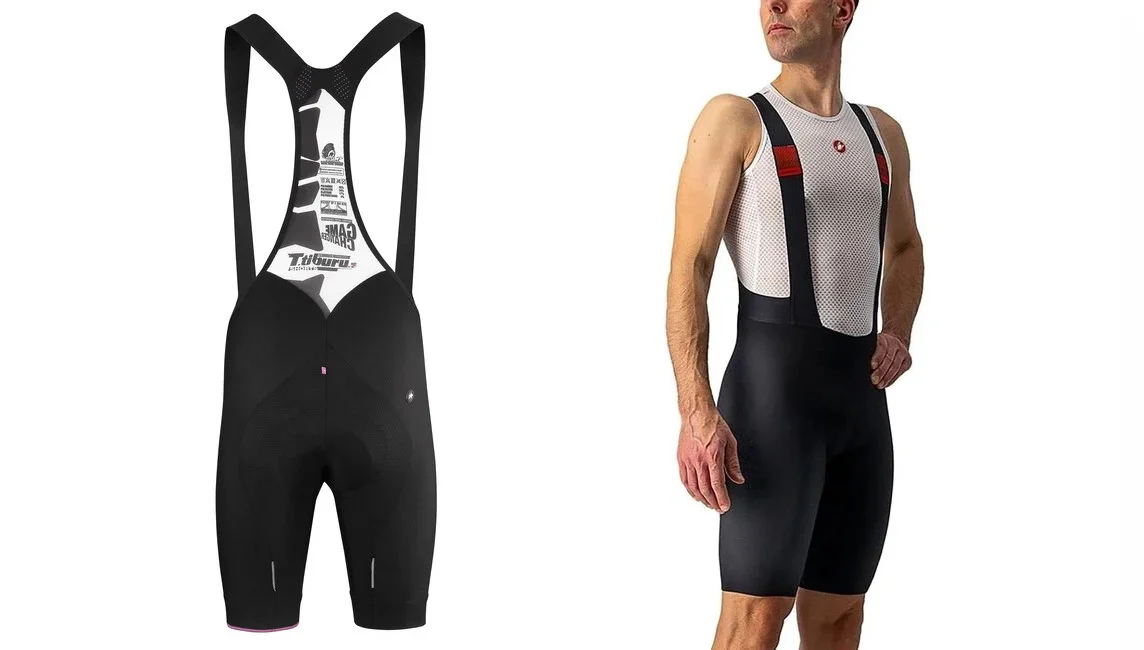
Cycling bib shorts are performance-focused cycling shorts that use shoulder straps instead of a traditional elastic waistband. They include a built-in chamois (padding) designed to reduce pressure and friction while riding.

Unlike regular cycling shorts, bib shorts stay securely in place throughout your ride, eliminating waistband pressure and reducing movement that can cause discomfort on long distances.

Why Cyclists Prefer Bib Shorts

  • Better comfort during long rides
  • No restrictive waistband
  • Improved fit and stability
  • Reduced bunching and shifting
  • Better support in aggressive riding positions

For many cyclists, bib shorts are one of the most valuable upgrades they can make.

What Makes a High-Quality Cycling Bib?

Not all bib shorts are created equal. Premium bibs are designed with advanced materials and construction techniques that improve comfort, durability, and performance.

1. Chamois Quality

The chamois is the most important part of any cycling bib.

A quality chamois should:

  • Provide targeted cushioning where you need it most
  • Reduce pressure on sensitive areas
  • Minimize friction and chafing
  • Maintain its shape after repeated use
  • Offer moisture management and breathability

If you regularly ride for more than two hours, investing in a higher-quality chamois can make a significant difference in comfort.

2. Technical Fabrics

Premium cycling bibs use high-performance fabrics that offer:

  • Moisture-wicking properties
  • Breathability
  • Compression support
  • UV protection
  • Long-term durability

These fabrics help regulate body temperature and keep you comfortable in changing weather conditions.

3. Ergonomic Construction

The best bib shorts are designed around the riding position.

Look for features such as:

  • Multi-panel construction
  • Anatomical fit
  • Flatlock seams
  • Wide shoulder straps
  • Breathable mesh upper sections

These details improve freedom of movement and reduce irritation during long rides.

4. Leg Grippers

Quality leg grippers help keep bib shorts securely in place without restricting circulation.

Modern bibs often use laser-cut hems or silicone grippers that create a clean, comfortable fit around the thighs.

Bib Shorts vs. Waist Shorts: Which Is Better?

Many cyclists wonder whether they should choose bib shorts or traditional cycling shorts.

Choose Bib Shorts If:

  • You ride regularly
  • You spend multiple hours in the saddle
  • You prioritize comfort and performance
  • You prefer a secure, stay-put fit

Choose Waist Shorts If:

  • You ride shorter distances
  • You want a simpler option
  • You prioritize convenience for casual rides

For most road, gravel, and endurance cyclists, bib shorts remain the preferred choice.

How to Choose the Right Cycling Bib for Your Riding Style

Endurance Riding

For long-distance rides, prioritize:

  • Premium chamois technology
  • Compression support
  • Breathable fabrics
  • Wide straps for comfort

Road Racing

Look for:

  • Aerodynamic fit
  • Lightweight materials
  • High compression fabrics
  • Minimal bulk

Gravel Riding

Consider bibs with:

  • Durable fabrics
  • Additional cargo pockets
  • Enhanced moisture management
  • All-day comfort features

Indoor Training

Choose bibs that offer:

  • Maximum breathability
  • Lightweight construction
  • Fast-drying fabrics

Finding the Right Fit

Even the most expensive cycling bib won't perform well if the fit is incorrect.

A cycling bib should feel snug but not restrictive.

Signs of a Good Fit

  • Chamois stays in place while pedaling
  • No excess fabric or wrinkles
  • Straps feel supportive without digging into the shoulders
  • Leg grippers stay secure without pinching

Signs Your Bib Is Too Small

  • Excessive pressure from straps
  • Restricted movement
  • Chafing around seams
  • Difficulty breathing comfortably

Signs Your Bib Is Too Large

  • Chamois movement while riding
  • Fabric bunching
  • Loose straps
  • Leg openings riding up

Always consult the manufacturer's size guide before purchasing.

How Climate Affects Your Choice

Hot Weather Riding

Choose bibs with:

  • Lightweight fabrics
  • High breathability
  • Moisture-wicking technology
  • UV protection

Cooler Conditions

Look for:

  • Thermal materials
  • Slightly thicker fabric construction
  • Additional wind protection

Matching your bib to local weather conditions can dramatically improve comfort.

Common Mistakes When Buying Cycling Bibs

Avoid these frequent mistakes:

Choosing Price Over Comfort

A low-cost bib may save money initially but often lacks the support and durability needed for regular riding.

Ignoring Fit

Sizing varies significantly between brands. Always measure yourself and review sizing charts carefully.

Buying Based Only on Appearance

The best-looking bib isn't always the most comfortable. Prioritize performance features first.

Using Underwear Under Bib Shorts

Cycling bibs are designed to be worn directly against the skin. Wearing underwear can increase friction and lead to discomfort.

How to Care for Your Cycling Bibs

Proper care helps maximize performance and lifespan.

Washing Tips

  • Wash after every ride
  • Use cold water or a delicate cycle
  • Avoid fabric softeners
  • Use mild detergents
  • Turn bibs inside out before washing

Drying Tips

  • Air dry whenever possible
  • Avoid high heat
  • Never iron technical fabrics

Following these simple steps will help preserve elasticity, compression, and chamois performance.

Final Thoughts

Choosing the best cycling bib comes down to four key factors:

  1. Chamois quality
  2. Proper fit
  3. Technical fabrics
  4. Your riding style

A well-designed bib should feel almost invisible while riding, allowing you to focus entirely on the road ahead.

Whether you're new to cycling or upgrading your current kit, investing in a quality cycling bib is one of the most effective ways to improve comfort, performance, and enjoyment on every ride.

Refine by
 

Filters

Clear all
Filters
Clear all
Availability
 
Clear
Availability
Clear
Search by phrase
 
Clear
Search by phrase
Clear
Keyword or phrase
Price
 
Clear
Price
Clear
from
–
to
$20
$21
ASSOS centoSocks_evo8ASSOS centoSocks_evo8
ASSOS centoSocks_evo8
$20.88
Powered by Lightspeed
Display prices in:USD
Skip to main content

Call Us

(1) 305 382 2100

Attention Hours

Mon--Fri, 10am-7pm / Sat 10am-6pm

Get in Touch

[email protected]

Address

14097 SW 88 ST . Miami FL 33186. United States

Follow us on Instagram
Instagram image 1
Instagram image 2
Instagram image 3
Instagram image 4

Follow Us

  • Instagram
  • Facebook

Categories

  • Bikes
  • Wheels
  • Apparel
  • Accesories
  • Parts
  • Components
  • Bike Service
  • Closeout

Brands

  • DMT
  • Colnago
  • LOOK
  • Giant
  • Orbea
  • KOO
  • BMC
  • Trek

Information

  • About us
  • Privacy policy
  • Shipping and returns
  • Terms and Conditions
  • Buy from LATAM
  • Blog
© 2026 88 Cycling  Made with  Ecwid by Lightspeed  Report Abuse
General terms & conditions DisclaimerPrivacy policyShipping & returnsAbout us